
The Magic of Storytelling in Brand Strategy
When we were kids, our grandparents would sit us down and tell us stories—stories that took us to faraway lands, taught us life lessons, or simply made us feel safe and loved. Even years later, we still remember the way they narrated each tale, with warmth in their voices and a twinkle in their eyes. We were captivated not just by the stories themselves but by the emotional connection we felt with the people telling them. That connection is what made those stories unforgettable.
In marketing, storytelling works much the same way. It’s not just about selling a product or service—it’s about building a bond with your audience, just like those bedtime stories created a bond between you and your grandparents. When done right, storytelling becomes the foundation of your brand strategy, engaging people on a deeper emotional level and making your message resonate far beyond a simple transaction.
In a time where consumers are bombarded with information at every turn, what makes them stop, listen, and engage? It’s not the features of your product; it’s the story behind it. This is why brands that focus on storytelling are better positioned to capture attention, build loyalty, and foster long-lasting relationships with their audience.
So, how can you harness the power of storytelling to elevate your brand strategy? Let’s dive in.
The Heart of Storytelling: Emotional Connection and Brand Identity
Crafting a Relatable Narrative
Every brand has a story, but the challenge is to make it relatable to your audience. The heart of great storytelling in marketing lies in forging an emotional connection. People remember how a story makes them feel far more than they remember the product features.
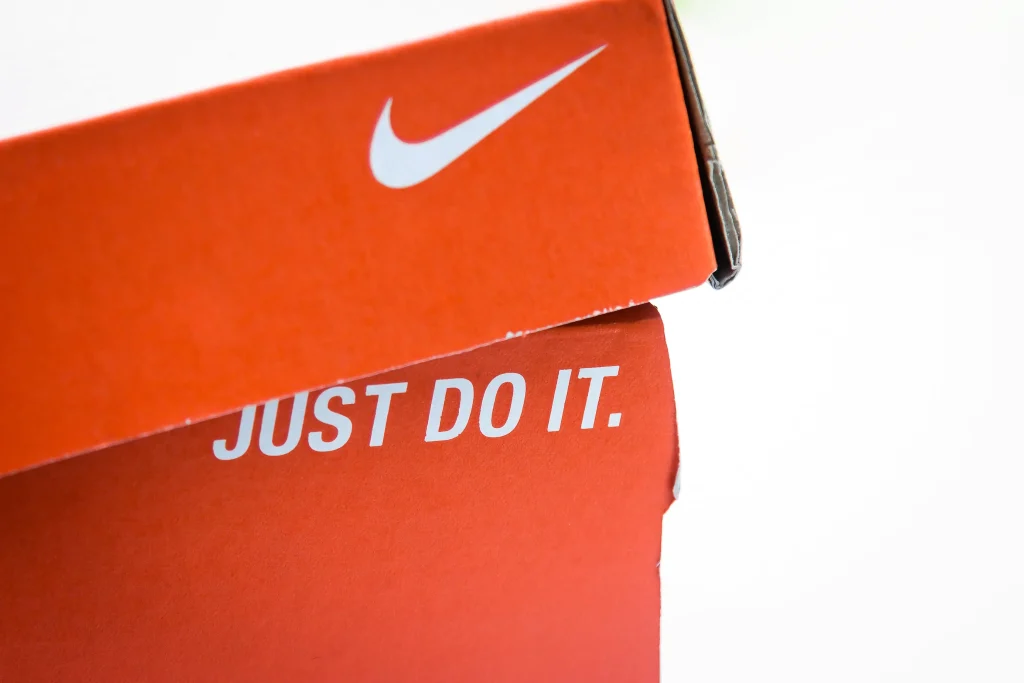
Think of Nike’s famous “Just Do It” campaign. It’s not just about shoes—it’s about overcoming obstacles, pushing boundaries, and achieving greatness. The brand taps into the human experience of perseverance, and in doing so, it makes Nike more than just a sportswear brand; it makes it a symbol of motivation.
Nike’s Slogan, “Just Do It” encourages consumers to take action and pursue their goals.
When you craft your brand’s story, ensure it aligns with your audience’s values, struggles, and aspirations. Show them that you understand their journey, and position your product or service as a solution to their problems—not through a direct sales pitch but through the shared experiences you weave into your narrative.
A Brand Strategy Built on Authenticity
In today’s digital age, authenticity is crucial. Consumers have become adept at identifying disingenuous marketing tactics and they are quick to dismiss brands that feel inauthentic. This is where storytelling becomes a pivotal part of your brand strategy. Be transparent about your brand’s origins, values, and mission. Whether you’re a startup with humble beginnings or an industry leader, people appreciate authenticity and vulnerability.

Take Dove’s “Real Beauty” campaign as an example. By sharing real stories from real people, Dove tapped into a universal conversation about self-esteem and beauty standards. The campaign wasn’t about the product itself but about the brand’s mission to redefine beauty, which created a deep emotional connection with its audience. This authenticity strengthened Dove’s brand identity, earning the trust and loyalty of its consumers.
Read More: Dove Real Beauty Campaign
How to Integrate Storytelling into Your Marketing Strategy
Use Customer Stories and Testimonials
Your audience wants to see themselves in your story, and one of the best ways to do that is by sharing customer success stories. Potential customers are more likely to trust peer experiences than a brand’s marketing message. By highlighting how your product or service has positively impacted your existing customers, you create a tangible connection for new audiences.
For example, Airbnb has mastered this art by showcasing real travelers’ experiences on their platform. Instead of focusing solely on accommodations, Airbnb tells the stories of the people who use their service to explore new cities, meet locals, and create unforgettable memories. This creates a sense of community, and the brand itself becomes associated with more than just a place to stay—it becomes part of the travel experience.
By incorporating customer stories into your marketing materials, you not only humanize your brand but also make it more relatable and trustworthy.
Leverage Data with a Story
Data is a powerful tool in marketing, but on its own, it can be dry and unengaging. However, when you blend data with storytelling, it becomes a compelling force. Numbers help back up your claims, but the story is what makes the data meaningful.
For instance, Google often uses data storytelling in its marketing. They don’t just share statistics—they use real-world examples of businesses that have thrived by leveraging Google’s tools. The data supports the success stories, but it’s the human element that resonates with the audience.
When incorporating data into your brand strategy, ask yourself: how does this data affect my audience’s life or business? Can I use this information to tell a story that highlights a problem they face and position my brand as the solution?
Make Storytelling a Core Element of Your Brand Strategy
The power of storytelling in marketing is undeniable. It humanizes your brand, builds trust, and forges emotional connections with your audience. In a world where consumers are constantly bombarded with marketing messages, it’s the brands that tell compelling, relatable, and authentic stories that stand out.
Remember, storytelling isn’t just an afterthought—it should be an integral part of your brand strategy. Whether you’re using it to share your company’s mission, showcase customer success stories, or present data in an engaging way, storytelling is your key to creating a deeper connection with your audience.
Ready to take your marketing to the next level with powerful storytelling? At Brandly Marketing, we specialize in helping brands develop and implement storytelling strategies that resonate. Let us help you craft a brand narrative that engages your audience and drives results. Explore our services today and start building a brand strategy that stands out in the crowd!





I love how you connected the emotional power of storytelling with childhood memories—it’s a great reminder of how storytelling isn’t just about facts, but the connection it creates. Brands that can tap into that emotional layer are likely to build stronger, long-term relationships with their audience.